
EU AI Act Compliance, Built for Builders
Expert EU AI Act readiness for general-purpose AI model providers and AI companies at every risk level. We classify your systems, map obligations and build your evidence.

The First Comprehensive AI Law
The EU AI Act sets risk-based rules for AI systems placed on the EU market or used in the EU, including by companies based outside it.
Trusted by market leading technology companies





Workstreet has been a true partner. They embedded security into our daily workflow, took on the heavy lifting, and enabled us to move faster by unblocking security reviews without draining our team.


All of them (security reviews) have been super smooth for us to get through because of the work that you guys did for us. We've had no hiccups, no issues, passed everything. And it's been great.


Workstreet helps us move a lot faster. I save time, our engineers save time, and we’re able to get back to customers quicker, which helps us with faster sales cycles. Our engineers and I have saved 100+ work hours since we started with Workstreet.


Start Your EU AI Act Journey
Get a personalized roadmap based on your AI systems, your role and the dates that apply.


A Practical Path to AI Act Readiness
We cover the EU AI Act from AI inventory and risk classification to documentation and ongoing oversight.


AI Inventory & Role Mapping

Risk Classification

Controls & Documentation

Ongoing Compliance
Step-by-step guidance for meeting EU AI Act obligations as they phase in.
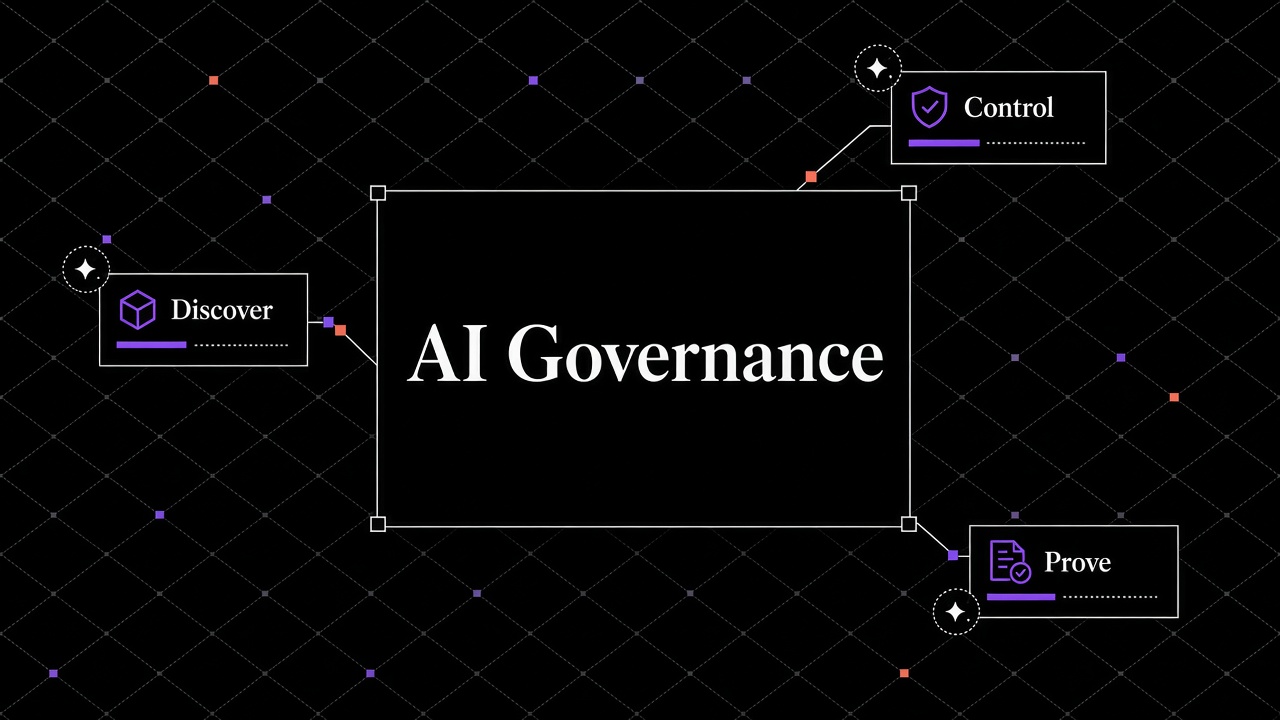
The Complete Guide to AI Governance
Build an AI governance program that supports the EU AI Act, ISO 42001 and customer reviews.
How AI Companies Prepare for Regulation
Real examples of teams that use Workstreet to govern and secure AI


Clay's Path to ISO 42001 Certification
How an AI-native company used by 500,000+ teams built AI governance buyers can trust.
EU AI Act FAQs
Common questions about EU AI Act compliance
It can. The Act applies to providers that place AI systems or general-purpose AI models on the EU market, wherever they are based, and to providers and deployers outside the EU when their AI system's output is used in the EU. Your role and where your output lands decide what applies.
The Act entered into force on 1 August 2024. Prohibitions and AI literacy duties applied from 2 February 2025, and general-purpose AI model rules from 2 August 2025. Most other rules applied from 2 August 2026. After the 2026 AI Omnibus, high-risk rules apply from 2 December 2027 (Annex III) and 2 August 2028 (Annex I).
High-risk systems include AI used as a safety component of regulated products and AI used in Annex III areas such as employment, education, critical infrastructure and access to essential services like credit. Many SaaS AI features are not high-risk but may still carry transparency duties. We classify each system with you.
Fines for prohibited AI practices can reach €35 million or 7% of worldwide annual turnover, whichever is higher, with lower caps for other violations. For SMEs and start-ups, the lower of the two amounts applies. National authorities enforce most rules, and the Commission oversees general-purpose AI models.
ISO 42001 is a certifiable AI management system standard, while the EU AI Act is law. ISO 42001 certification alone does not prove AI Act compliance, but it provides the governance, risk and documentation backbone many obligations rely on. We build both from one program.
Ship AI Into Europe With Confidence
Get expert EU AI Act guidance that keeps AI features moving while you meet your obligations.